
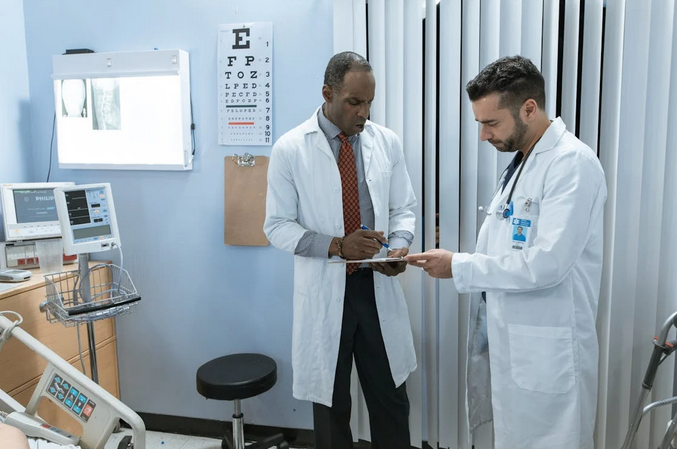
Healthcare has traditionally focused on treating illness after symptoms appear. In recent years, that approach has begun to shift. Many individuals now prefer to identify health risks earlier rather than waiting for problems to develop. Preventive health screening has become an important part of this change. These screenings help detect potential conditions before noticeable symptoms arise. By identifying concerns early, individuals and healthcare professionals can respond quickly. This growing interest reflects a broader effort to support long-term health and reduce serious medical complications.
The Shift Toward Preventive Healthcare
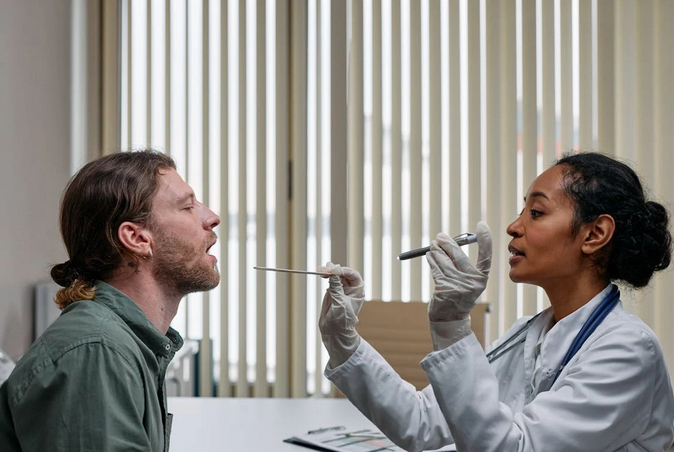
Modern healthcare systems are increasingly emphasizing prevention. Instead of focusing only on treatment, medical professionals encourage patients to monitor their health regularly. Preventive screenings allow doctors to observe important indicators such as blood pressure, cholesterol levels, or blood sugar. These markers often reveal early warning signs of chronic conditions. When potential problems appear early, medical interventions can begin sooner. Lifestyle adjustments or targeted treatments may slow or even prevent disease progression. This proactive approach helps ensure patients maintain better overall health while reducing the likelihood of more complex medical issues later.
Early Detection and Improved Health Outcomes
One of the main benefits of preventive screening is early detection. Many serious conditions develop gradually without noticeable symptoms. Cancer, cardiovascular disease, and metabolic disorders often progress quietly in their early stages. Screening tests can identify these conditions before they reach advanced stages. Early diagnosis increases the chances of effective treatment and recovery. For example, routine blood tests may reveal abnormal cholesterol levels. Addressing this issue early can lower the risk of heart disease. Similarly, certain cancer screenings help detect abnormalities before they spread. Early intervention often leads to better health outcomes and fewer complications over time.
Public Awareness of Personal Health

Public awareness about health and wellness has increased significantly. Access to medical information, online resources, and health education campaigns has helped people understand the importance of preventive care. Individuals are now more interested in tracking their health indicators. Many seek routine checkups and screenings even when they feel well. This shift reflects a change in mindset. People recognize that maintaining health requires ongoing attention rather than occasional treatment. Preventive screening programs support this awareness by providing reliable insights into physical health. They allow individuals to monitor changes and take action when necessary.
Advances in Medical Technology
Medical technology has played a major role in expanding preventive screening options. Modern diagnostic tools allow healthcare professionals to detect potential issues with greater accuracy and efficiency. Laboratory testing has become more sophisticated. Imaging technologies can reveal internal conditions that once remained hidden until symptoms appeared. Digital health records also improve coordination among healthcare providers. Test results can be analyzed and tracked over time, allowing doctors to monitor patterns and trends. These technological improvements help ensure that screenings provide reliable and useful information. As testing methods continue to evolve, preventive healthcare will likely become even more accessible.
Reduced Long-Term Healthcare Costs

Preventive care can also reduce healthcare expenses over time. Treating advanced medical conditions often requires extensive procedures, long hospital stays, and ongoing medication. Early detection allows patients to address problems before they escalate. Managing health conditions in the early stages is usually less complex and less expensive. Healthcare systems increasingly recognize this financial benefit. Preventive programs encourage routine screenings because they help control long-term costs for both patients and medical providers. Although screenings involve some initial expense, they often prevent higher medical costs in the future.
Encourage Healthier Lifestyle Choices
Preventive screening does more than detect medical issues. It often motivates individuals to adopt healthier habits. When people receive detailed information about their health status, they become more aware of potential risks. Doctors frequently use screening results to recommend lifestyle improvements. These suggestions may include better nutrition, increased physical activity, or stress management. Seeing measurable health indicators can encourage individuals to make positive changes. For example, a patient with elevated blood sugar levels may begin adjusting diet and exercise routines. Over time, these changes contribute to stronger long-term health outcomes.
Preventive health screening is gaining popularity because it supports early detection, improves health awareness, and encourages proactive medical care. Rather than waiting for symptoms to appear, individuals can monitor their health and address potential concerns early. Advances in medical technology and growing public awareness have made these screenings more accessible. They help healthcare providers detect problems sooner and guide patients toward healthier choices. By focusing on prevention, individuals gain greater control over their well-being. Regular screenings provide valuable insight into overall health and help reduce the risk of serious medical conditions in the future.